Preparing Your Car for Seasonal Changes: Essential Oil Change Tips
Understanding the Importance of Seasonal Oil Changes
As the seasons change, so do the demands on your vehicle. One often overlooked aspect of car maintenance during these transitions is the oil change. The type of oil your car needs can vary significantly based on the weather conditions. Ensuring you have the right oil is crucial for maintaining engine health and performance.
Why Seasonal Oil Changes Matter
The viscosity of engine oil affects how well it can lubricate the engine parts. In colder months, oil tends to thicken, which can hinder its flow. Conversely, in warmer weather, oil can become too thin, reducing its effectiveness. Using the appropriate oil for the season can enhance your car's efficiency and longevity.
Choosing the Right Oil for the Season
When preparing for seasonal changes, it's essential to choose the right type of oil. Here are some tips to help you make the right choice:
- Winter: Use a low-viscosity oil, such as 5W-30, to ensure better flow at lower temperatures.
- Summer: Opt for a higher viscosity oil, like 10W-40, to maintain optimal lubrication in the heat.
Consult your car's manual or a professional mechanic to determine the best oil for your specific vehicle and climate.

Signs Your Car Needs an Oil Change
Knowing when to change the oil is just as important as knowing what type to use. Look out for these signs that your car might need an oil change:
- Unusual engine noises or knocking sounds.
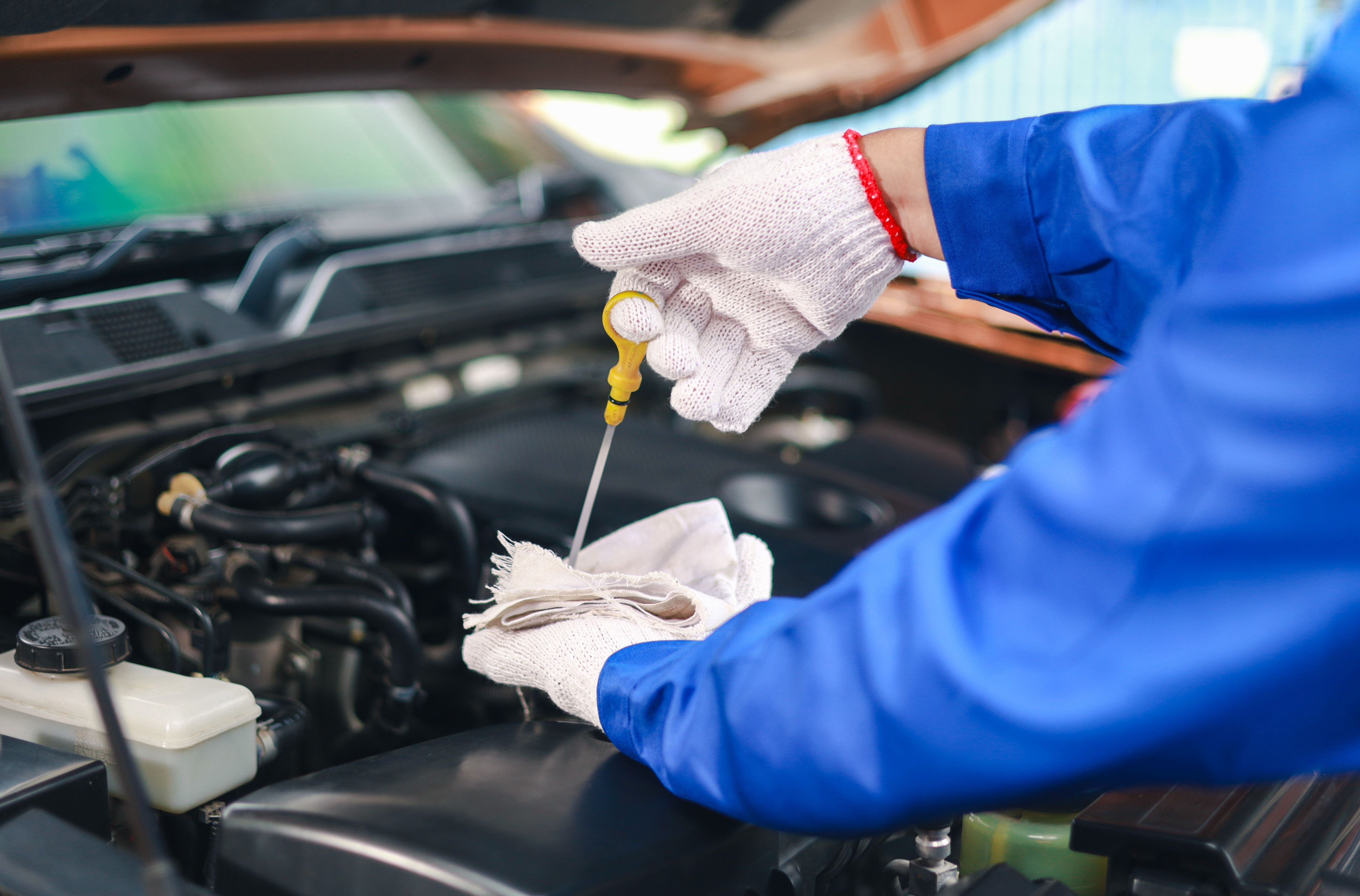
- Dark, dirty oil when you check the dipstick.
- Oil change light or check engine indicator on your dashboard.
Steps to Perform an Oil Change
If you're comfortable doing it yourself, changing your car's oil is a straightforward process. Follow these steps for a successful oil change:
- Warm up your engine for a few minutes to loosen the oil.
- Secure the car with jack stands and locate the oil drain plug.
- Drain the old oil into a pan and replace the oil filter.
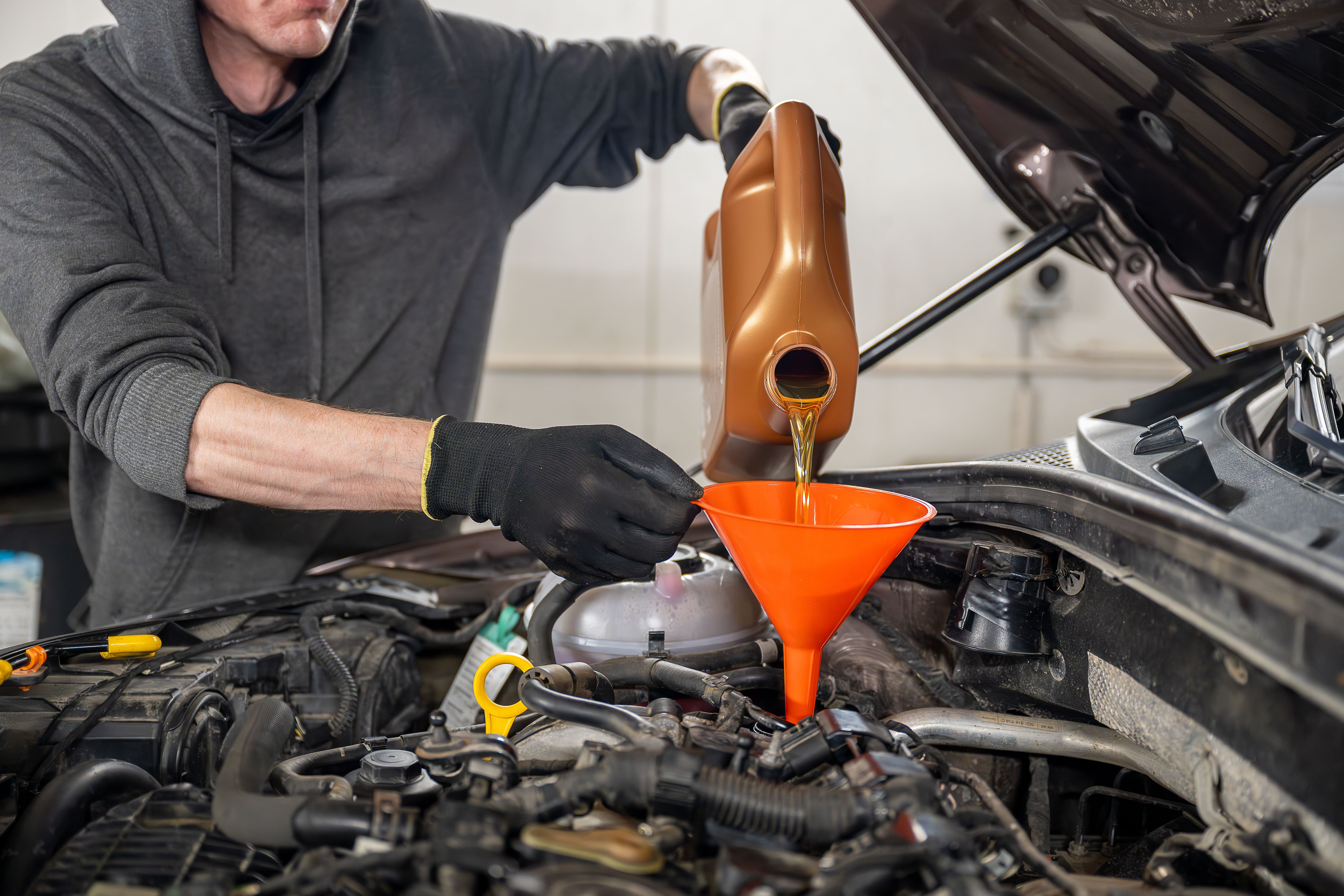
- Refill the engine with the new oil, checking the level with the dipstick.
Disposing of Used Oil
Proper disposal of used oil is vital for environmental conservation. Take the used oil to a recycling center or an auto shop that offers disposal services. Never dispose of it in the trash or down the drain.
Professional Oil Change Services
If you're not comfortable changing the oil yourself, professional services are widely available. Many auto shops offer seasonal oil change packages to ensure your car is ready for the weather changes. These services can also include a full inspection to catch any additional issues.
Conclusion
Preparing your car for seasonal changes with an appropriate oil change is crucial for maintaining its performance and longevity. Whether you choose to do it yourself or hire a professional, staying proactive with your car's maintenance can save you time and money in the long run.