Expert Tips for Maintaining Your Car Between Oil Changes
Regular Tire Checks
Keeping your tires in top condition is crucial for vehicle safety and performance. Regularly inspect your tire pressure, as incorrect pressure can lead to uneven wear and reduced fuel efficiency. Use a reliable gauge to check the pressure monthly and maintain the levels recommended in your vehicle's manual.
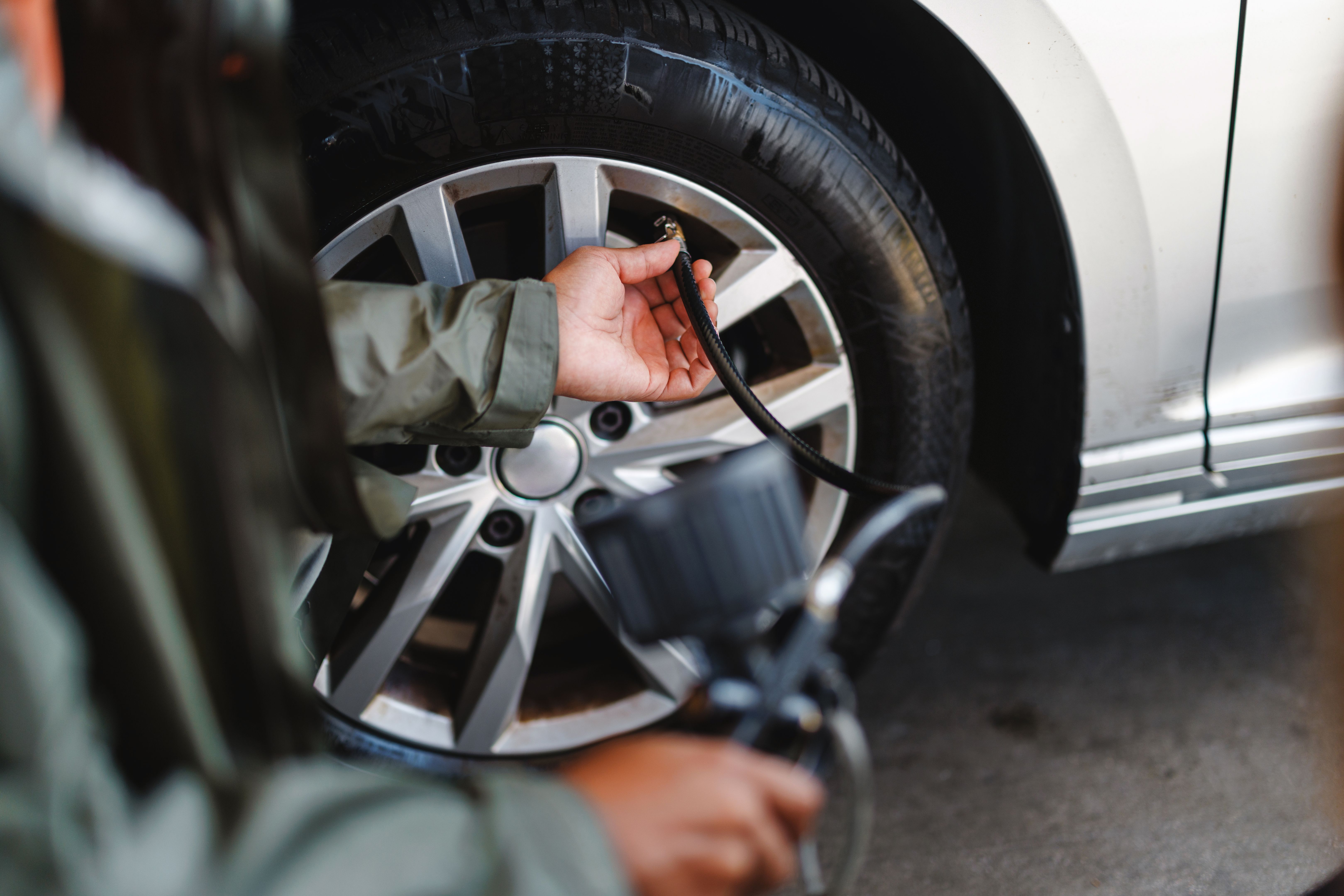
Aside from pressure, examine the tread depth to ensure optimal grip on the road. Use the penny test: insert a penny into the tread with Lincoln's head down. If you can see all of Lincoln's head, it's time for new tires. Rotating your tires every 6,000 to 8,000 miles can also promote even wear.
Monitor Fluid Levels
Fluids are the lifeblood of your car, and maintaining their levels is key to a smooth-running vehicle. Regularly check the coolant, transmission, brake, and power steering fluids. Low levels or dirty fluids can lead to engine overheating or other mechanical issues.
To check your coolant, ensure the engine is cool and locate the coolant reservoir. The fluid should be between the "min" and "max" markers. For transmission fluid, consult your owner's manual, as some vehicles require the engine to be running during the check.

Battery Maintenance
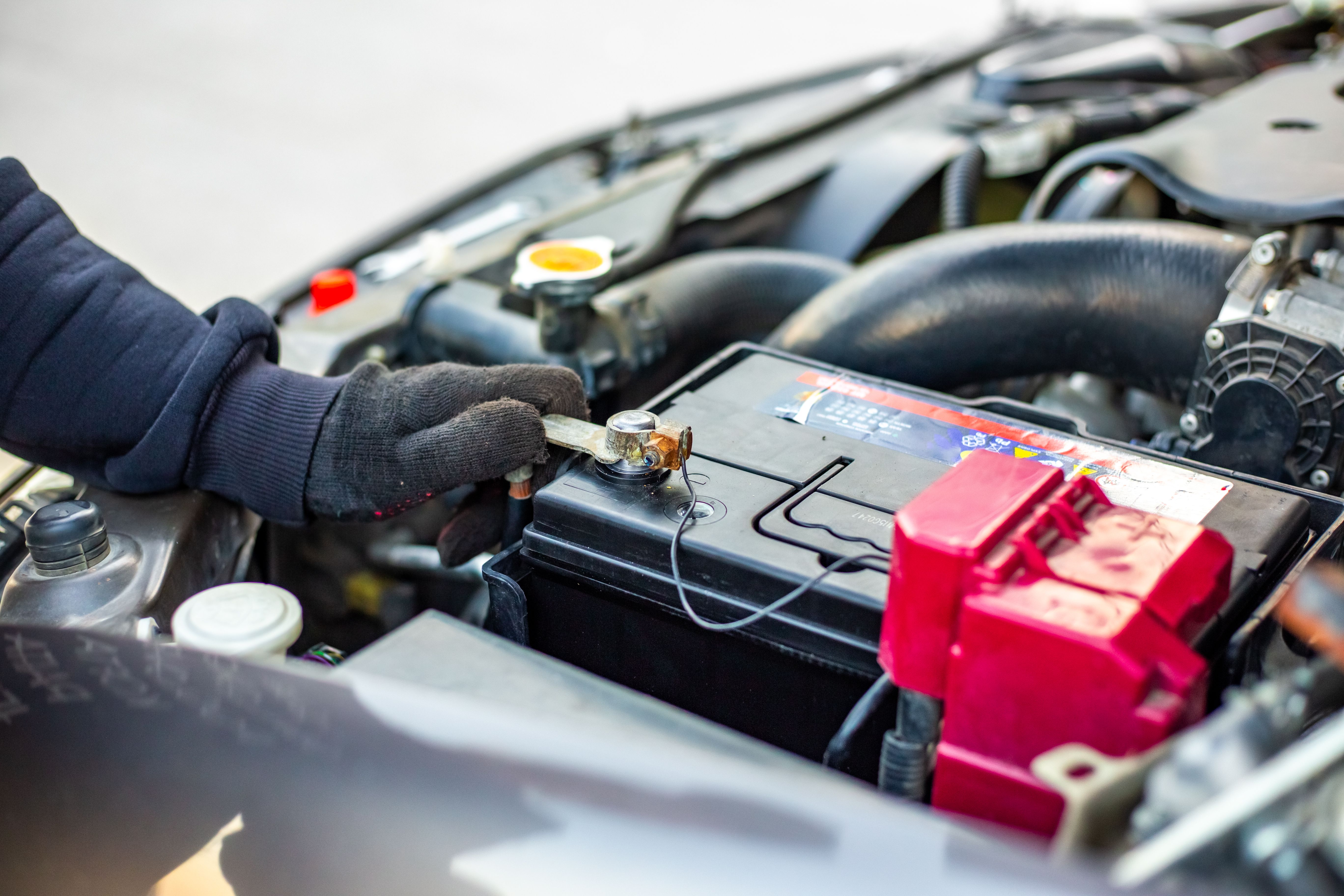
Your car's battery is essential for starting the engine and powering electronic components. Inspect the battery terminals for corrosion, which can impede the flow of electricity. Clean any buildup with a mixture of baking soda and water, using a toothbrush to scrub gently.
It's also wise to test your battery's charge regularly, especially if it's more than three years old. Many auto parts stores offer free battery testing services. Replacing the battery before it fails can save you from unexpected breakdowns.
Keep It Clean
Regular cleaning can preserve your car's paint and interior, extending its lifespan and maintaining its resale value. Wash your car every two weeks to remove dirt, debris, and road salt that can corrode the paint. Waxing every six months adds a protective layer.
On the inside, vacuum carpets and seats regularly. Use appropriate cleansers for different surfaces, such as leather or fabric, to prevent damage. A clean car not only looks good but also maintains its structural integrity over time.
Listen to Your Car
Unusual sounds can be an early warning sign of potential issues. Pay attention to noises like squealing brakes, rattling under the hood, or grinding gears. These sounds often indicate that components need repair or replacement.

Addressing these issues promptly can prevent more severe problems down the line. Regularly scheduling maintenance with a trusted mechanic can also help catch issues before they become major repairs.
Stay on Top of Scheduled Maintenance
Following your vehicle's maintenance schedule is one of the best ways to keep it running smoothly between oil changes. This schedule includes services like air filter replacements, spark plug changes, and more.
Adhering to the manufacturer's recommendations helps ensure your car remains in optimal condition, reducing the likelihood of unexpected breakdowns and prolonging its life.